
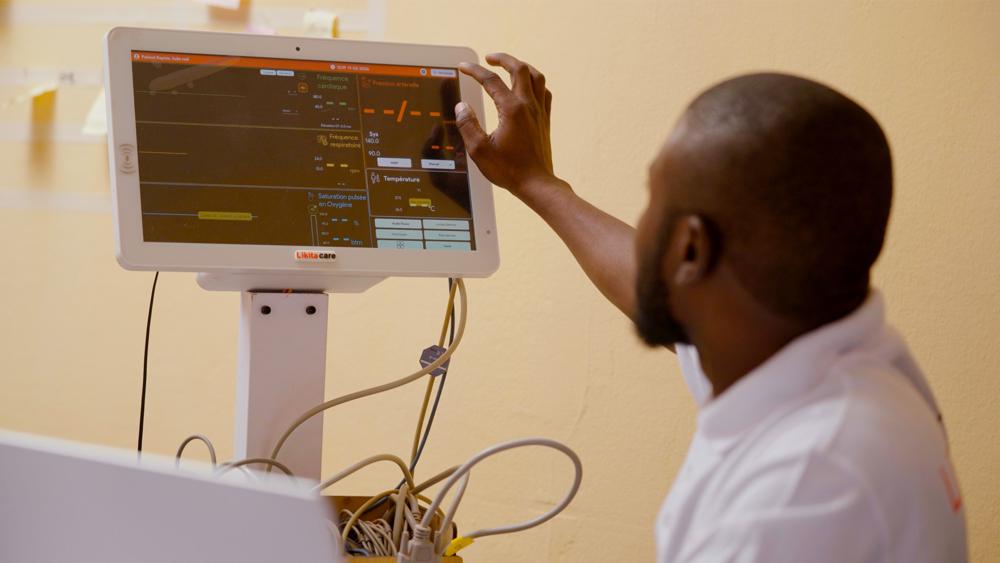
Analysis — Likita Care’s Africa Prize win offers a useful prompt for health-technology buyers: the purchase price is only the start of a device’s working life.
A machine that cannot be serviced locally creates a dependency that brochures rarely explain. Procurement teams should ask who can diagnose a fault, where replacement parts come from and how long a repair is expected to take. Those answers should form part of the comparison between suppliers.
Repairability also needs evidence. A locally assembled product is not automatically easy to maintain. Buyers should look for documentation, technician training, parts availability and a realistic service commitment. Software updates and access to essential diagnostic tools belong in the same discussion.
The goal should be equipment that remains useful under the conditions where it is installed. Contracts can make that objective measurable by defining support responsibilities and recording downtime. Giving maintenance a place in the buying decision would help capable local manufacturers compete on sustained service, alongside technical specifications.














Leave a comment